Asuntos Tradicionalistas
 |
 |
 |
 |
 |
 |
 |
Nuestra Señora de Fátima Desmiente
al Sedevacantismo
Los sedevacantistas creen que después de Juan XXIII los Papas no son Papas válidos, la Sede de Pedro está vacante y, por lo tanto, sus poderes papales y sacramentos tampoco son válidos. Hay otros grupos en esta categoría, como los "sede-privacionistas", que creen que los Papas conciliares son válidos pero carecen de autoridad papal. Ambos grupos defienden sus posturas citando a santos, documentos conciliares y las Escrituras para justificar su rechazo de los poderes papales y atacar nuestra postura de Resistencia.
Debido a las excomuniones de la FSSPX y a las crecientes profanaciones que estamos presenciando por parte de los progresistas, muchos católicos están siendo empujados hacia el sedevacantismo. Sus líderes hacen todo lo posible por arrastrar a otros con ellos. Considerándose a sí mismos expertos en doctrina católica y en la crisis actual, entablan discusiones con cualquiera que esté conmocionado por la crisis actual para inducirlo a adherirse a sus posturas.
Evite los inútiles debates sobre el 'concilio'
Discutir con sedevacantistas es como discutir con protestantes. No hay manera de convencerlos de la verdad porque ellos "siempre tienen razón" y usted "siempre está equivocado". En otras palabras, el líder de cada una de estas escisiones se considera investido de una especie de infalibilidad que le permite decidir qué papa, sacramento y regla litúrgica es válida, junto con muchos otros temas religiosos importantes. En la práctica, es el libre examen aplicado no solo a la interpretación de la Biblia, sino al conjunto de la doctrina católica.
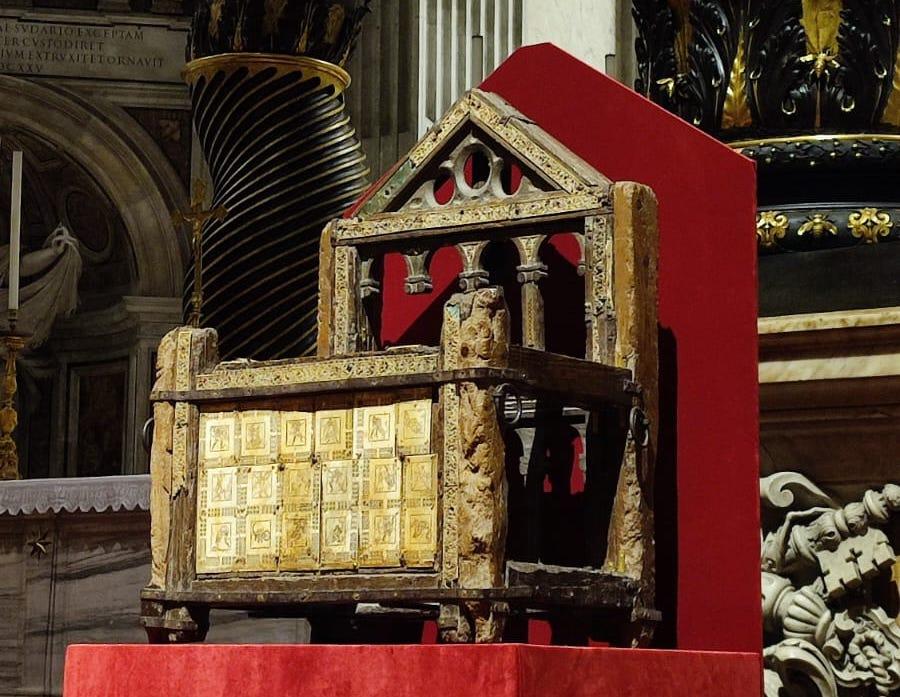 Por supuesto, cuando hay dos de estos mini papas infalibles en desacuerdo sobre alguna interpretación, cada uno declara hereje al otro y se dividen. Es por esto que los grupos sedevacantistas están cada vez más fragmentados. Los protestantes están divididos en unas 40,000 fracciones diferentes; los sedevacantistas están siguiendo el mismo camino...
Los sedevacantistas están ansiosos por debatir porque necesitan reafirmar continuamente su falsa postura ante sí mismos y ante sus seguidores. Si no lo hacen, corren el riesgo de dejar que sus mentes cuestionen los evidentes huecos de su teoría y así gravitar de vuelta hacia una buena postura católica. Es la misma inseguridad que tienen los protestantes.
En lugar de entrar en un debate interminable de citas e interpretaciones, sugiero que los tradicionalistas que hablen con un sedevacantista sobre el tema simplemente le recuerden cómo las profecías de Nuestra Señora de Fátima desmienten al sedevacantismo.
La consagración no se realizó
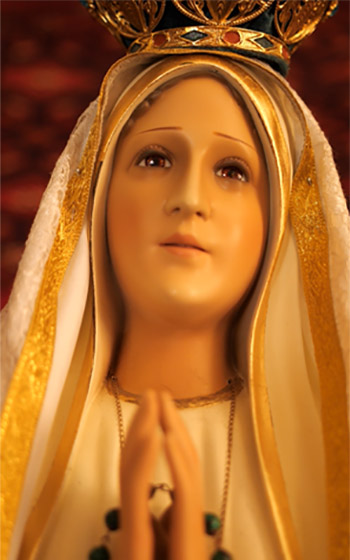 Nuestra Señora de Fátima ordenó al Papa consagrar a Rusia a su Inmaculado Corazón. Como nos mostró la Dra. Marian Horvat, los ocho intentos de consagrar a Rusia fracasaron porque cada uno omitió alguno de los requisitos de Nuestra Señora. Por lo tanto, un Papa todavía tiene que consagrar a Rusia al Inmaculado Corazón de Nuestra Señora siguiendo todas sus exigencias, lo cual significa que el hombre que actualmente ocupa la Cátedra de San Pedro es el Papa y que él o uno de sus sucesores todavía hará la consagración tal como predijo Nuestra Señora en Fátima, aunque
sea tarde.
Nuestra Señora de Fátima ordenó al Papa consagrar a Rusia a su Inmaculado Corazón. Como nos mostró la Dra. Marian Horvat, los ocho intentos de consagrar a Rusia fracasaron porque cada uno omitió alguno de los requisitos de Nuestra Señora. Por lo tanto, un Papa todavía tiene que consagrar a Rusia al Inmaculado Corazón de Nuestra Señora siguiendo todas sus exigencias, lo cual significa que el hombre que actualmente ocupa la Cátedra de San Pedro es el Papa y que él o uno de sus sucesores todavía hará la consagración tal como predijo Nuestra Señora en Fátima, aunque
sea tarde.
Es mucho más difícil para un sedevacantista intentar interpretar estas profecías a su propia luz, porque Nuestra Señora nos dio una lista muy clara de cosas que ocurrirían antes y después de que se cumpliera su mandato. Cualquiera con sentido común ve que partes esenciales de sus profecías no se han cumplido, por lo que la consagración no se ha realizado.
Cuando se les confronta con Fátima, algunos sedevacantistas intentan justificar su postura de una manera bastante singular. A continuación, refutaré sus argumentos sobre Fátima que se encuentran aquí y allá en Internet. Mi esperanza es vacunar a cualquier tradicionalista que se sienta tentado a asumir esta postura absurda.
Perspectiva sobre la consagración de 1952
Al abordar Fátima, varios sedevacantistas argumentan de una manera que a mí me parece bastante débil:
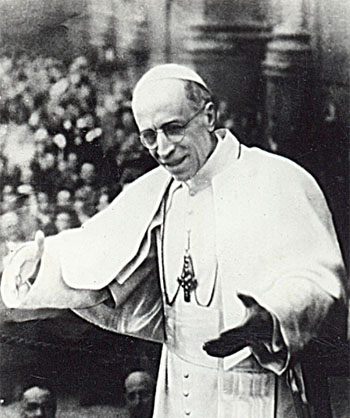 1. Creen que la consagración realizada por Pío XII en 1952 se hizo correctamente. Esto me parece una creencia hecha a medida: tienen que defenderla ya que no aceptan que ningún Papa posterior a Pío XII tenga autoridad.
Sin embargo, como se mencionó anteriormente, la Dra. Horvat demuestra claramente lo que faltó en esa consagración: no fue un acto solemne y público, ni fue realizada en unión con los Obispos del mundo; no hubo acto de Reparación ni la devoción de los Primeros Sábados. Además, la propia Hermana Lucía afirmó que las tres consagraciones hechas por el Papa Pío XII no cumplieron las condiciones establecidas por Nuestra Señora.
Este primer error proyecta otras consecuencias: Como creen que la consagración se hizo en 1952, tienen que explicar qué pasó con Rusia. Entonces, pretenden que la "conversión de Rusia" que Nuestra Señora predijo que ocurriría después de realizado el acto, no significa convertirse al Catolicismo, sino más bien convertirse a la paz.
2. El intento de reformular el significado de conversión de Nuestra Señora ya es bastante malo, pero sugerir que Rusia realmente se convirtió a la paz no es menos delirante. Algunos sedevacantistas llegan a defender que Rusia tuvo un período de paz después de 1952 para justificar su "conversión". Esencialmente argumentan que Rusia pasó de ser un régimen monstruoso a uno menos monstruoso, presentando estadísticas que muestran cómo, después de 1952, hubo menos muertes, gulags, hambrunas y persecuciones. Esto es lo que dicen sobre la supuesta "conversión de Rusia."
Cuando pensamos en los tanques soviéticos aplastando la Revolución Húngara en 1956, la construcción del Muro de Berlín en 1961 y la Crisis de los Misiles de Cuba en 1962, no podemos decir que la URSS (o Rusia) cambió en algo su habitual forma agresiva. Por lo tanto, hablar de conversión de Rusia a la paz después de 1952 es absurdo.
Estamos ante un segundo error, basado en la falsedad de que la consagración de Pío XII fue lo que Nuestra Señora deseaba.
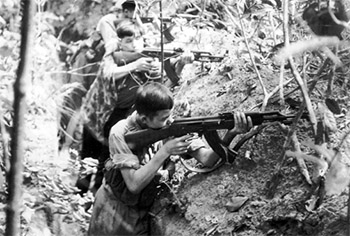
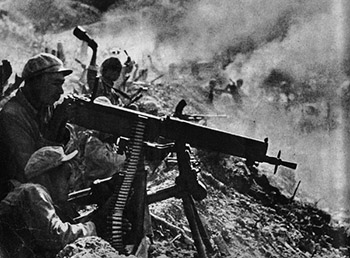 3. Otra falla se refiere a la frase de Nuestra Señora "se concederá al mundo un período de paz." Varios sedevacantistas pretenden que después de la consagración de 1952 por Pío XII se estableció la paz en el mundo.
Sin embargo, tal período de paz nunca llegó después de 1952. Los conflictos continuos después de esa fecha demuestran que el mundo no experimentó esa paz. Además de esto, la propia Rusia apoyó diversos conflictos como la Guerra de Corea, que aún continuaba en 1952, así como la Guerra de Vietnam, que comenzaría en 1955 y cobraría la vida de tres millones de civiles y militares vietnamitas.
Nuevamente, estos sedevacantistas están completamente fuera de la realidad.
4. Otro argumento absurdo es que los sedevacantistas básicamente dicen que Rusia difundió sus errores antes de 1952 y que así se cumplió esta parte de la profecía. Luego, afirman que después de esa fecha, Rusia dejó de difundir esos errores.
Si bien es cierto que los errores rusos se difundían antes de esa supuesta consagración, no dejaron de hacerlo después de 1952. Por el contrario, el rápido auge de las ideas comunistas en todo Occidente, América Latina y África después de la década de 1950 muestra claramente que estos errores se propagaron mucho más que antes de la consagración del '52. No olvidemos que China cayó bajo el Comunismo en 1949 y desde entonces el Partido Comunista mató a millones de sus propios ciudadanos, con gran parte de la violencia concentrada en el período de la Revolución Cultural (1966-1976).
Sugerir que este período después de 1952 fue de alguna manera un período en el que Rusia detuvo su propaganda, es increíblemente delirante de cualquier forma.
5. ¿Cómo explican algunos sedevacantistas las profecías de Nuestra Señora sobre un enorme castigo contra las naciones? Dicen que las "naciones siendo aniquiladas" es algo que ya ha ocurrido, ya que Rusia absorbió a varias naciones como estados satélites. Esto de alguna manera significaría que fueron "aniquiladas" ya que dejaron de ser sus propios estados nacionales.
Si ser conquistado por otra nación significara ser aniquilado, España y Portugal también habrían sido aniquilados, ya que permanecieron bajo dominación árabe durante siglos; muchos países de Europa que fueron conquistados por Napoleón habrían sido aniquilados; Francia, Bélgica y otros países que sucumbieron a la invasión nazi también habrían sido aniquilados. Esto simplemente no es cierto.
Estos sedevacantistas fuerzan el significado de "ser aniquilado" para ajustarlo a su teoría de que los Papas posteriores a Pío XII no son válidos. No solo es erróneo; es maliciosamente deshonesto.
 Así, mi conclusión es que estos sedevacantistas están básicamente equivocados y son deshonestos a la hora de interpretar el mensaje de Nuestra Señora de Fátima. Sus defensores ajustan la realidad histórica para que encaje con su tesis.
Con base en este análisis, animo a los tradicionalistas a dejar de debatir doctrina con los sedevacantistas y a decirles a quienes se sientan tentados a entrar en esta postura errónea que lean honestamente el mensaje de Fátima. Que lean también este artículo para ver cómo los sedevacantistas dicen que se han cumplido las profecías de Nuestra Señora. Espero que al hacerlo puedan dejar de lado cualquier tentación sedevacantista que puedan estar experimentando.
Sed sobrios y velad: porque vuestro adversario el diablo, como león rugiente, anda alrededor buscando a quien devorar. (1 Pe 5:8)

Debido a las excomuniones de la FSSPX y a las crecientes profanaciones que estamos presenciando por parte de los progresistas, muchos católicos están siendo empujados hacia el sedevacantismo. Sus líderes hacen todo lo posible por arrastrar a otros con ellos. Considerándose a sí mismos expertos en doctrina católica y en la crisis actual, entablan discusiones con cualquiera que esté conmocionado por la crisis actual para inducirlo a adherirse a sus posturas.
Evite los inútiles debates sobre el 'concilio'
Discutir con sedevacantistas es como discutir con protestantes. No hay manera de convencerlos de la verdad porque ellos "siempre tienen razón" y usted "siempre está equivocado". En otras palabras, el líder de cada una de estas escisiones se considera investido de una especie de infalibilidad que le permite decidir qué papa, sacramento y regla litúrgica es válida, junto con muchos otros temas religiosos importantes. En la práctica, es el libre examen aplicado no solo a la interpretación de la Biblia, sino al conjunto de la doctrina católica.
La silla está vacía, insisten los sedes...
Los sedevacantistas están ansiosos por debatir porque necesitan reafirmar continuamente su falsa postura ante sí mismos y ante sus seguidores. Si no lo hacen, corren el riesgo de dejar que sus mentes cuestionen los evidentes huecos de su teoría y así gravitar de vuelta hacia una buena postura católica. Es la misma inseguridad que tienen los protestantes.
En lugar de entrar en un debate interminable de citas e interpretaciones, sugiero que los tradicionalistas que hablen con un sedevacantista sobre el tema simplemente le recuerden cómo las profecías de Nuestra Señora de Fátima desmienten al sedevacantismo.
La consagración no se realizó
Las consagraciones papales no cumplieron
con todas las exigencias de Nuestra Señora
Es mucho más difícil para un sedevacantista intentar interpretar estas profecías a su propia luz, porque Nuestra Señora nos dio una lista muy clara de cosas que ocurrirían antes y después de que se cumpliera su mandato. Cualquiera con sentido común ve que partes esenciales de sus profecías no se han cumplido, por lo que la consagración no se ha realizado.
Cuando se les confronta con Fátima, algunos sedevacantistas intentan justificar su postura de una manera bastante singular. A continuación, refutaré sus argumentos sobre Fátima que se encuentran aquí y allá en Internet. Mi esperanza es vacunar a cualquier tradicionalista que se sienta tentado a asumir esta postura absurda.
Perspectiva sobre la consagración de 1952
Al abordar Fátima, varios sedevacantistas argumentan de una manera que a mí me parece bastante débil:
Pío XII la hizo sin los Obispos
Sin embargo, como se mencionó anteriormente, la Dra. Horvat demuestra claramente lo que faltó en esa consagración: no fue un acto solemne y público, ni fue realizada en unión con los Obispos del mundo; no hubo acto de Reparación ni la devoción de los Primeros Sábados. Además, la propia Hermana Lucía afirmó que las tres consagraciones hechas por el Papa Pío XII no cumplieron las condiciones establecidas por Nuestra Señora.
Este primer error proyecta otras consecuencias: Como creen que la consagración se hizo en 1952, tienen que explicar qué pasó con Rusia. Entonces, pretenden que la "conversión de Rusia" que Nuestra Señora predijo que ocurriría después de realizado el acto, no significa convertirse al Catolicismo, sino más bien convertirse a la paz.
2. El intento de reformular el significado de conversión de Nuestra Señora ya es bastante malo, pero sugerir que Rusia realmente se convirtió a la paz no es menos delirante. Algunos sedevacantistas llegan a defender que Rusia tuvo un período de paz después de 1952 para justificar su "conversión". Esencialmente argumentan que Rusia pasó de ser un régimen monstruoso a uno menos monstruoso, presentando estadísticas que muestran cómo, después de 1952, hubo menos muertes, gulags, hambrunas y persecuciones. Esto es lo que dicen sobre la supuesta "conversión de Rusia."
Cuando pensamos en los tanques soviéticos aplastando la Revolución Húngara en 1956, la construcción del Muro de Berlín en 1961 y la Crisis de los Misiles de Cuba en 1962, no podemos decir que la URSS (o Rusia) cambió en algo su habitual forma agresiva. Por lo tanto, hablar de conversión de Rusia a la paz después de 1952 es absurdo.
Estamos ante un segundo error, basado en la falsedad de que la consagración de Pío XII fue lo que Nuestra Señora deseaba.
Insisten en que hubo un período de paz... incluso mientras se libraban las Guerras de Vietnam, arriba, y de Corea, abajo
Sin embargo, tal período de paz nunca llegó después de 1952. Los conflictos continuos después de esa fecha demuestran que el mundo no experimentó esa paz. Además de esto, la propia Rusia apoyó diversos conflictos como la Guerra de Corea, que aún continuaba en 1952, así como la Guerra de Vietnam, que comenzaría en 1955 y cobraría la vida de tres millones de civiles y militares vietnamitas.
Nuevamente, estos sedevacantistas están completamente fuera de la realidad.
4. Otro argumento absurdo es que los sedevacantistas básicamente dicen que Rusia difundió sus errores antes de 1952 y que así se cumplió esta parte de la profecía. Luego, afirman que después de esa fecha, Rusia dejó de difundir esos errores.
Si bien es cierto que los errores rusos se difundían antes de esa supuesta consagración, no dejaron de hacerlo después de 1952. Por el contrario, el rápido auge de las ideas comunistas en todo Occidente, América Latina y África después de la década de 1950 muestra claramente que estos errores se propagaron mucho más que antes de la consagración del '52. No olvidemos que China cayó bajo el Comunismo en 1949 y desde entonces el Partido Comunista mató a millones de sus propios ciudadanos, con gran parte de la violencia concentrada en el período de la Revolución Cultural (1966-1976).
Sugerir que este período después de 1952 fue de alguna manera un período en el que Rusia detuvo su propaganda, es increíblemente delirante de cualquier forma.
5. ¿Cómo explican algunos sedevacantistas las profecías de Nuestra Señora sobre un enorme castigo contra las naciones? Dicen que las "naciones siendo aniquiladas" es algo que ya ha ocurrido, ya que Rusia absorbió a varias naciones como estados satélites. Esto de alguna manera significaría que fueron "aniquiladas" ya que dejaron de ser sus propios estados nacionales.
Si ser conquistado por otra nación significara ser aniquilado, España y Portugal también habrían sido aniquilados, ya que permanecieron bajo dominación árabe durante siglos; muchos países de Europa que fueron conquistados por Napoleón habrían sido aniquilados; Francia, Bélgica y otros países que sucumbieron a la invasión nazi también habrían sido aniquilados. Esto simplemente no es cierto.
Estos sedevacantistas fuerzan el significado de "ser aniquilado" para ajustarlo a su teoría de que los Papas posteriores a Pío XII no son válidos. No solo es erróneo; es maliciosamente deshonesto.
El debate interminable... un juego de tontos
Con base en este análisis, animo a los tradicionalistas a dejar de debatir doctrina con los sedevacantistas y a decirles a quienes se sientan tentados a entrar en esta postura errónea que lean honestamente el mensaje de Fátima. Que lean también este artículo para ver cómo los sedevacantistas dicen que se han cumplido las profecías de Nuestra Señora. Espero que al hacerlo puedan dejar de lado cualquier tentación sedevacantista que puedan estar experimentando.
Sed sobrios y velad: porque vuestro adversario el diablo, como león rugiente, anda alrededor buscando a quien devorar. (1 Pe 5:8)
Publicado el 14 de septiembre de 2026


______________________
______________________
 Volume I |
 Volume II |
 Volume III |
 Volume IV |
 Volume V |
 Volume VI |
 Volume VII |
 Volume VIII |
 Volume IX |
 Volume X |
 Volume XI |
 Special Edition |


